
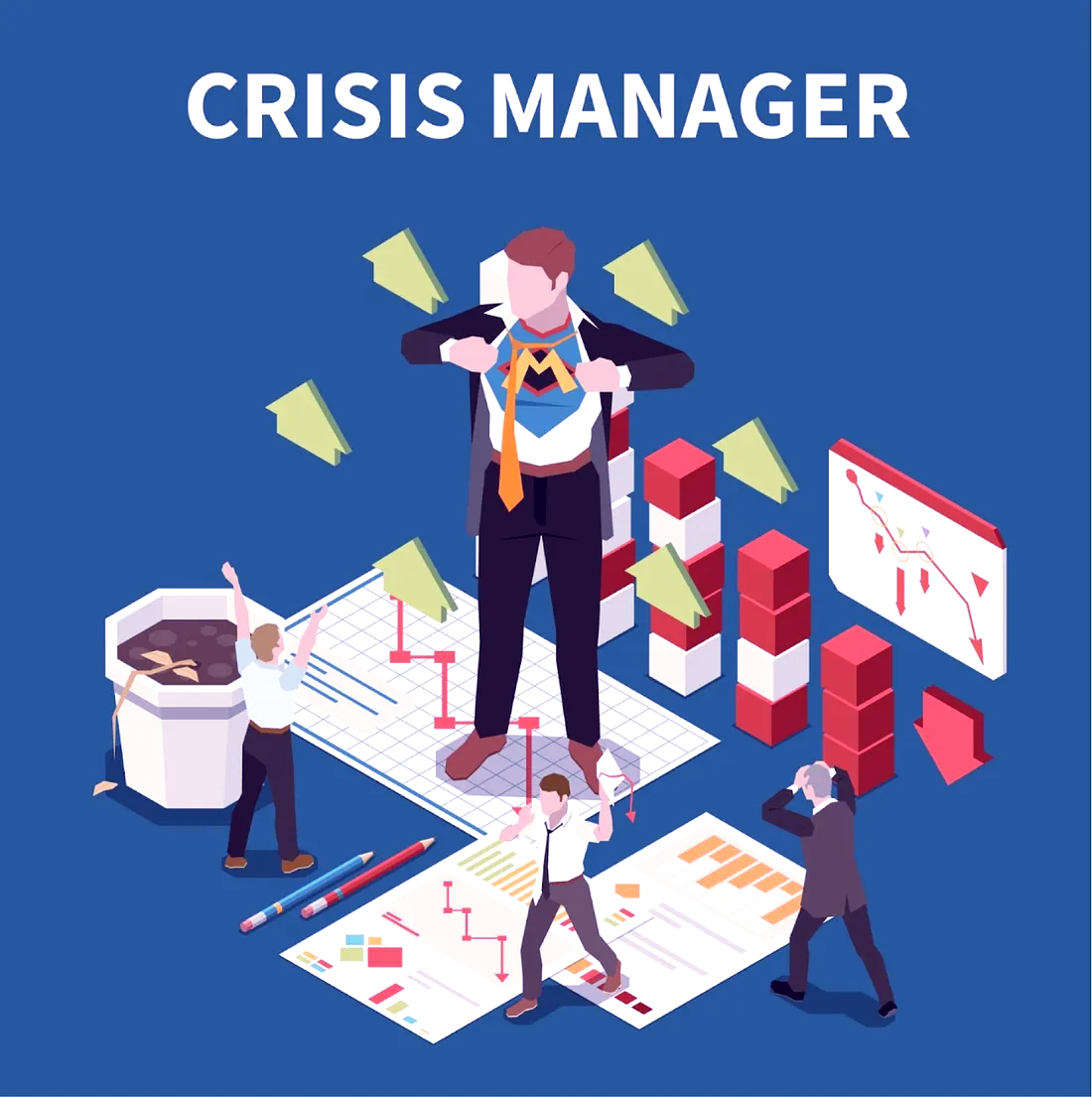
In every company, big or small, problems will happen. That is normal.
What decides whether a company grows or struggles is how the team handles those problems.
But in many organizations, all problems – even small ones – end up on the desk of one person: the owner, the CEO, or a senior leader.
We often see situations where issues are escalated directly to top management, even when they could be solved easily at the site or team level.
This shows one thing clearly:
The mindset of ownership is missing.
. . .
When Ownership Is Missing, Every Small Issue Becomes a Crisis

When employees don’t take responsibility, even small matters look big.
This leads to:
• Senior leaders being dragged into unnecessary issues
• Energy being wasted on simple problems
• Decision-makers losing focus on growth and revenue
• Owners feeling anxious because everything lands on their shoulders
It’s not that people cannot solve problems.
It’s that they don’t believe it is their job to solve them.
This mindset must change.
. . .
A Simple Question: Who Is the Crisis Manager in Your Company?

Ask yourself:
• Why is one person expected to handle everything?
• Why do employees escalate issues before trying to fix them?
• Why is the responsible person not managing matters within their own scope?
When someone is given a role,their responsibility automatically includes the risks, challenges, and conflicts that come with it.
If a job is done with ownership,management does not need to interfere every time.
. . .
A Real Situation From Our Team

We often see team members struggling to manage only 2 – 3 people at a site.
When communication is weak or when a small disagreement happens, instead of resolving it with confidence, the issue is forwarded to the owners.
This is not a crisis.
This is a missed leadership opportunity.
A small coordination gap should not require senior management involvement.
Because every time a minor issue reaches the owner, it takes their attention away from:
• Business growth
• Annual targets
• Strategy
• Long-term planning
This is how companies get stuck.
. . .
The Hard Truth:
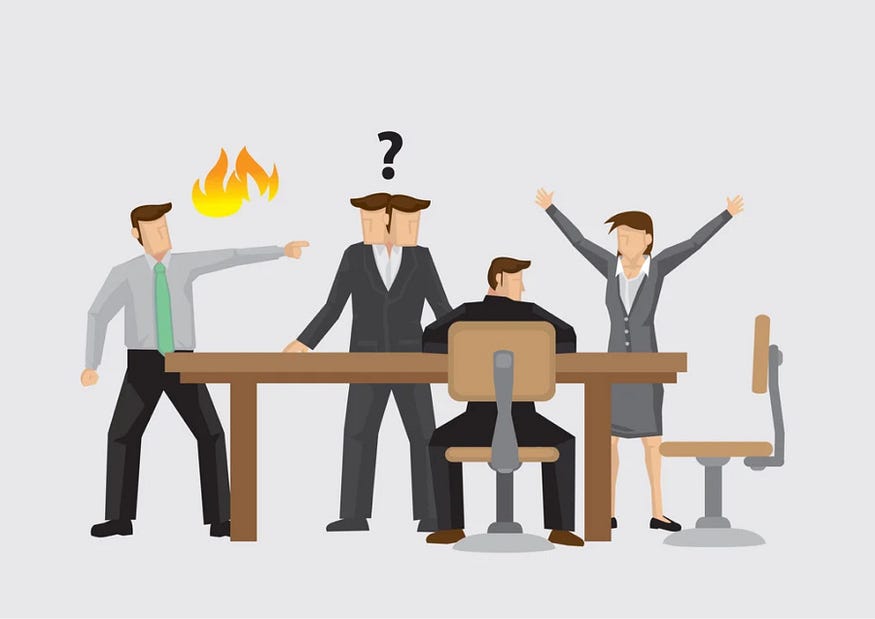
Why Many Owners, CEOs, and Directors Stay Stuck in Crisis Mode for 15 – 20 Years
Many owners unintentionally create a culture where:
• They solve everything
• They give all answers
• They jump in the moment someone calls them
• They don’t allow the team to struggle a little and learn
This creates a psychologically unhealthy pattern:
**The team becomes dependent.The owner becomes exhausted.The company becomes stagnant.**
What begins as support becomes:
• micromanagement
• emotional overload
• decision fatigue
• lack of trust
• over-responsibility
• fear-based communication
The company keeps working, but it never grows.
Everyone is busy, yet nothing moves forward.
This is the trap of crisis management.
. . .
The Psychology Behind This Pattern

Employees
• Fear doing something wrong
• Don’t want blame
• Want someone else to take the final call
• Prefer comfort over responsibility
• Have never been trained to take ownership
Owners
• Feel responsible for everything
• Believe “If I don’t do it, it won’t happen”
• Don’t trust the team to handle issues
• Feel guilty letting others struggle
• Think crisis-solving = good leadership
• Fear that mistakes will become costly
This creates a loop where:
Employees underperform → Owner steps in → Owner gets overloaded → Employees stop trying
The company stays stuck at the same level for years.
. . .
How to Break This Cycle:

Step 1: Change the Mindset
Ownership must become everyone’s job – not just the CEO’s.
Step 2: Define Clear Behavioural Expectations
Ownership means:
• Trying to solve before complaining
• Handling people with confidence
• Taking responsibility for the department you manage
• Escalating only when truly needed
Step 3: Build Emotional Strength in Employees
People must learn:
• Not to panic
• Not to depend on seniors
• To deal with discomfort
• To communicate firmly and calmly
• To face mistakes instead of escaping them
This is where true growth happens.
Step 4: Train Leaders, Not Followers
Your team should be able to:
• Handle site disputes
• Manage people
• Solve coordination issues
• Close loops
• Handle pressure
• Make decisions
The company becomes lighter and stronger.
. . .
The Goal: A Culture Where Crisis Management Is Shared

This is not about blame.
It is about building a mature, emotionally stable, high-performing team.
When everyone takes ownership:
• Risks reduce
• Small issues stay small
• Leaders focus on vision, not firefighting
• The whole organization moves forward
Because the real strength of a company lies not just in the leadership at the top, but in the behaviour, mindset, and emotional responsibility of the people within it.
– – Vandana